
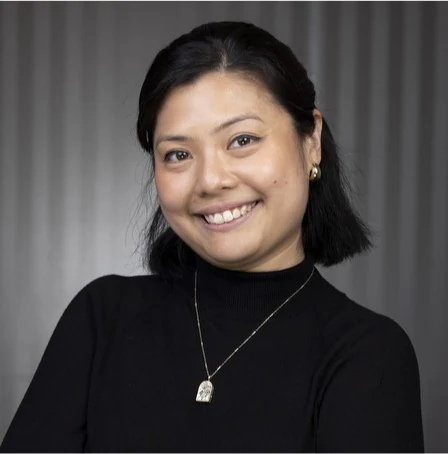
 By Oga Chan, Founder of North Adaptive
Why it happens
Scotland has more than 380,000 private sector businesses. The Highlands and Islands alone cover more than half the country's land mass, and many of the region's high growth businesses are building far from the support concentrated in the cities. What I hear again and again: “It takes hours, if not days, just to get to a networking event.” “Opportunities like this don't come to businesses in our region.” “Our community is so small, and we want to learn more.” “I'm figuring it all out alone.”
So what does resilience look like? Businesses that diversify into markets with proven need, and supply chains that collaborate rather than compete. Strong networks of established businesses working through hard leadership questions together. Companies that grow sustainably and keep local people employed, with teams that keep learning and adopting new technology. And communities that embrace change without losing their character and heritage.
Source: Businesses in Scotland 2025, Scottish Government
A story from my work
George Town, in Penang, became a UNESCO World Heritage Site in 2008. In the years that followed, many of its traditional crafts, tradespeople and historic buildings, the heart of the place, gave way to offices, holiday lets and trendy cafés.
I was brought in for a small project within that bigger picture: bringing a 112 year old building back to life with arts and heritage. I worked with more than 20 local partners. We ran 152 events a year, the artisans involved earned more and we drew 5000 people to the building.
But I learned something I've carried ever since. One thriving project can't make a place resilient. Around us, artisans were still left to adapt alone, with little training for a changing world. New businesses arrived to chase profit rather than meet local needs, so the economy didn't diversify in ways that kept local people employed. Peer learning between businesses existed, but it wasn't strong enough to hold.
A few years later, I led a national fellowship programme in Malaysia that brought some of the country's most talented leaders together to tackle its toughest problems. Between them, their decisions and policies affected the lives of around 13 million people. When COVID hit, the fellows didn't adapt alone. They leaned on each other, asked each other the hard questions, and helped each other through the toughest months. The resilience wasn't in any one person. It was in the connections between them.
Those two experiences shaped how I work. A single project, however successful, can't make a place resilient. Connected leaders can.
The North of Scotland is changing fast. New industries, new pressures and new opportunities are reaching communities that have worked the same way for generations. Many growing businesses are hours from the support concentrated in the cities. The region is in a very different place from George Town, but the lesson travels. Resilience has to be built across a whole community, through leaders who know each other, learn together and back each other when things shift. That's the work I want to do here.
What to try this week
Ask three established businesses in your area one question: what are the three biggest threats to your business right now, and what would help most?
If you lead a business yourself, ask three peers over a coffee instead. Either way, listen before designing anything. The answers are often not what you'd expect.
How I can help
I design and run programmes that make a region more resilient: peer networks of established business leaders, cohort programmes, and spaces where people from different sectors meet, learn and work through change together.
I work with senior business leaders, enterprise agencies, funders and business networks across Aberdeen, Aberdeenshire, the Highlands and Islands, and beyond.